Wade Warren

I lead the product team at Wingspan and write about applied AI, product systems, and how teams work.

Blog posts

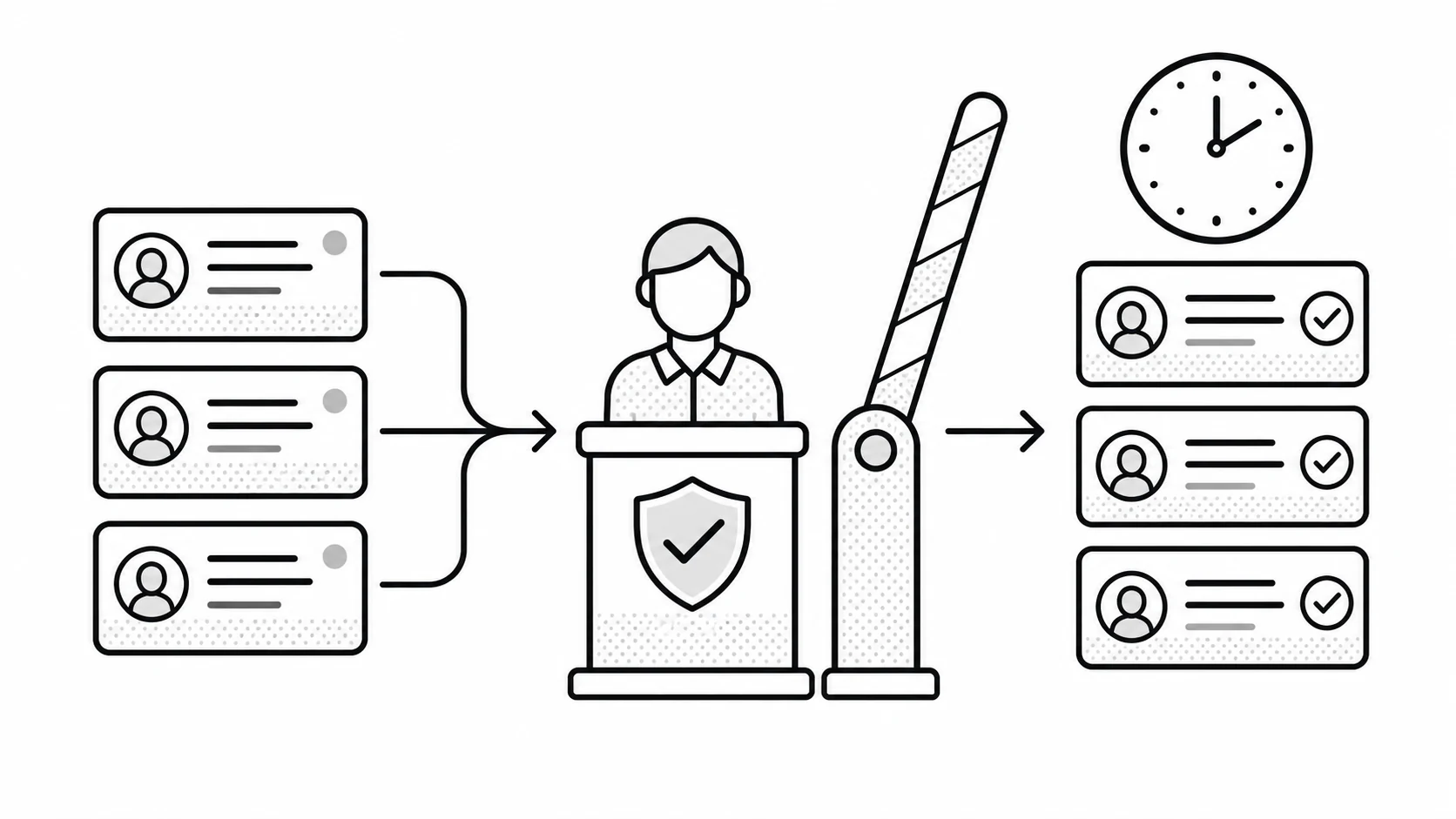
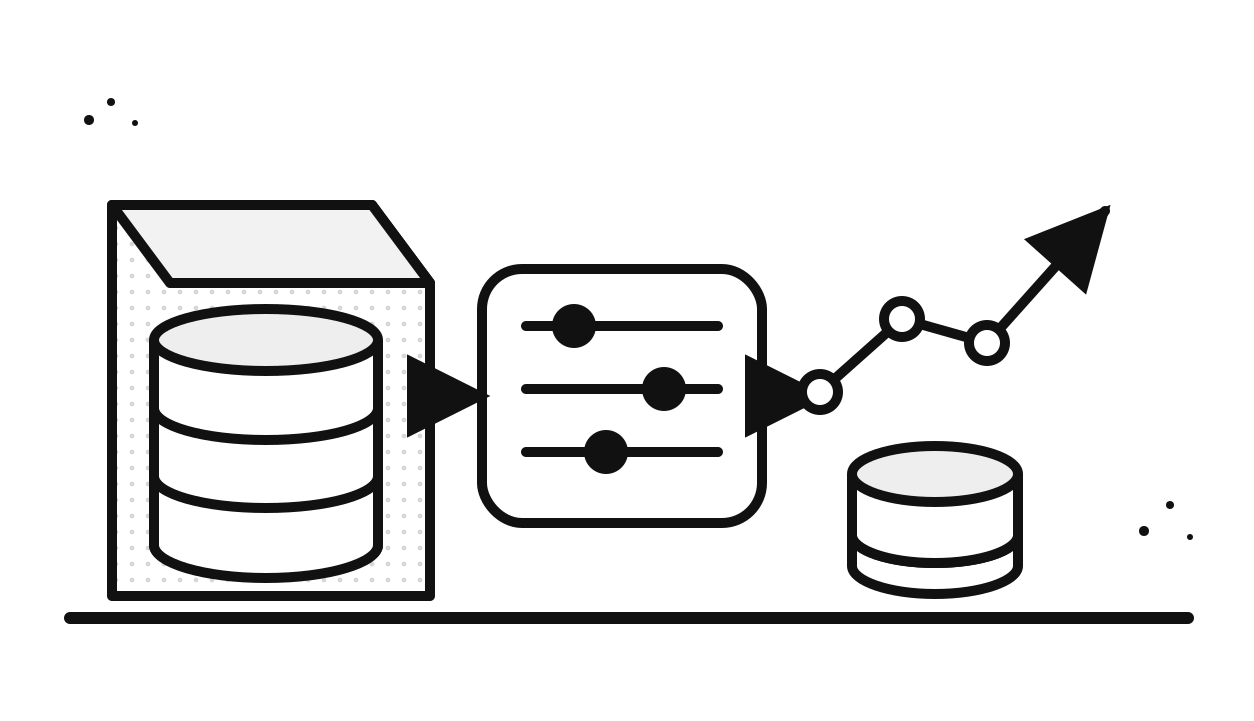
  • Proposed CRM records pass through a human approval gate, returning time for customer conversations.

    Giving AEs their afternoons back

    45 min
    returned to each AE daily
    50 minutes → 5 minutes
    +60 pts
    in field compliance
    38% → 98%
    20 people
    using it across GTM
    from two pilot reps

    Two Agent Skills cut daily Salesforce admin per AE from about 50 minutes to 5 and raised enterprise field compliance from 38% to 98%. Growth in booked meetings had left each AE carrying more than 35 open enterprise opportunities, so manual CRM work became a constraint on customer time. I built one skill that reviews a single account in depth and another that runs every open opportunity overnight.

    Both skills read calls, email, calendar activity, and Salesforce, then produce evidence-backed proposed changes instead of writing autonomously. Four months, roughly 50 tracked issues, daily feedback with two pilot AEs, and 24 graded evaluations turned the working prototype into a trusted workflow. The system expanded from two pilots to the entire 20-person GTM team and now catches stale deals, duplicate contact roles, and missed next steps.
    Read the full article
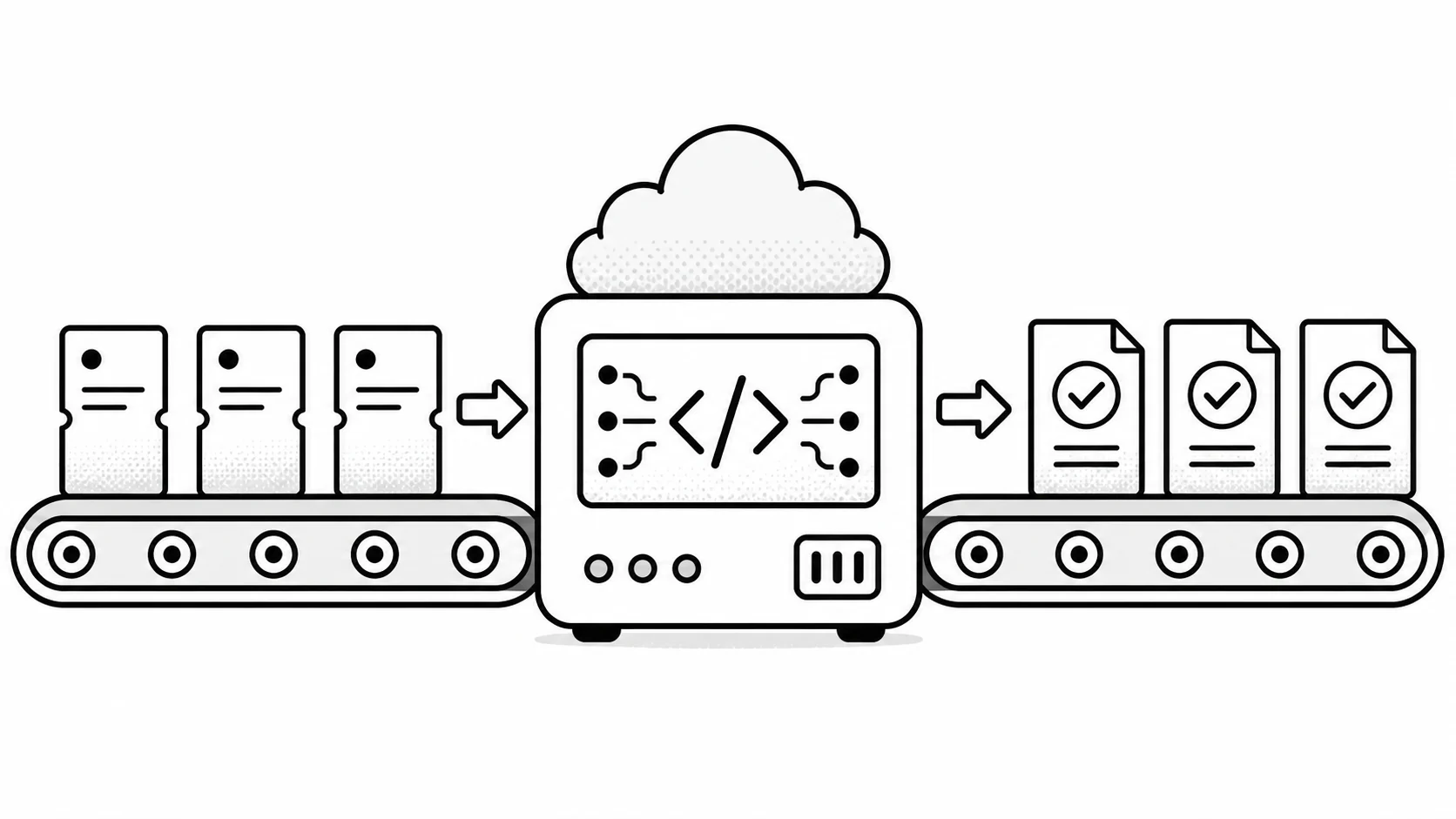
  • Issue tickets move through a cloud machine and emerge as completed pull requests.

    Building Wingman, a cloud coding agent for Wingspan

    1,035
    sessions in three months
    across eight production models
    49%
    of organization pull requests
    opened by Wingman
    30% → 5%
    engineering time on bugs
    and escalations

    Nineteen weeks after launch, Wingman had run 1,035 sessions and was opening about 49% of the pull requests across Wingspan's GitHub organization. Bug and escalation work had previously consumed about 30% of engineering time; it now takes about 5%. I built the agent to start from Linear, investigate real incidents, test fixes, and return reviewable pull requests in the workflow support and operations already used.

    Each session runs in an isolated gVisor sandbox with read-only production access, short-lived identity, and no long-lived credentials. Sixty-eight percent of sessions now start in Linear, and roughly 70% of issue-linked sessions come from queues outside engineering. During its first three months, the platform produced 412 unique pull requests for less than $2,200, making human review—not code generation—the next constraint.

    Read the full article
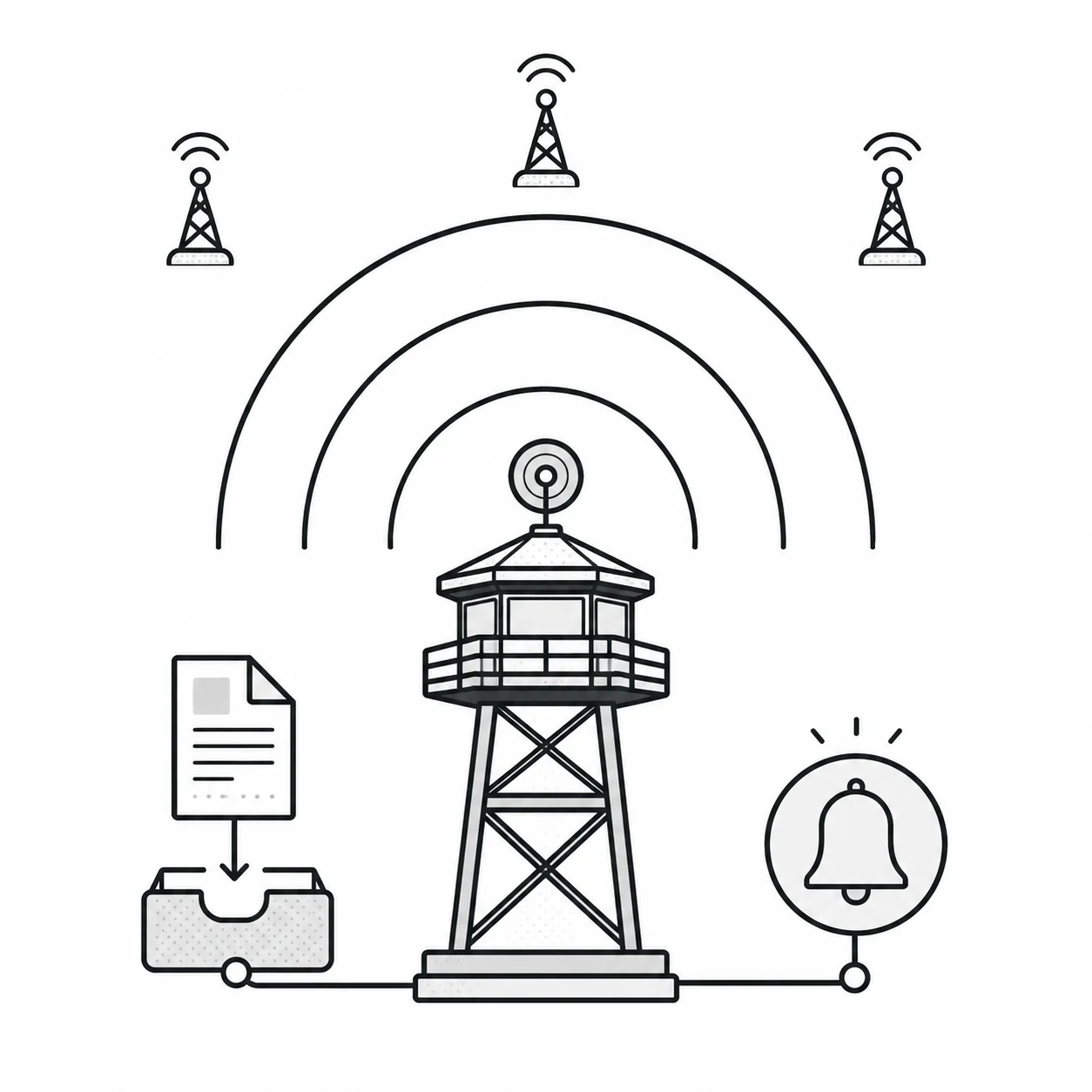
  • Competitor monitors send useful events to a shared history and Slack.

    How I built a competitor news feed with Parallel

    24
    competitors watched
    from one manifest
    Daily
    automated web scans
    for material changes
    Sourced
    events saved before Slack
    with social-only alerts rejected

    This system gives me a current, sourced view of 24 competitors without another recurring research task. I built one daily Parallel monitor per competitor, with a small manifest providing the stable name and canonical domain. Each monitor looks for material product, pricing, customer, funding, leadership, regulatory, security, and positioning changes while ignoring routine content marketing.

    The webhook rejects incomplete events and anything supported only by social posts before saving an alert. Reconciliation, cleanup, and a shared deduplication key keep monitor state, event history, and Slack notifications aligned when requests fail or retry. Each Slack post links back to a durable competitor history, so a sequence of small events can reveal a strategic change that one alert would miss.

    Read the full article
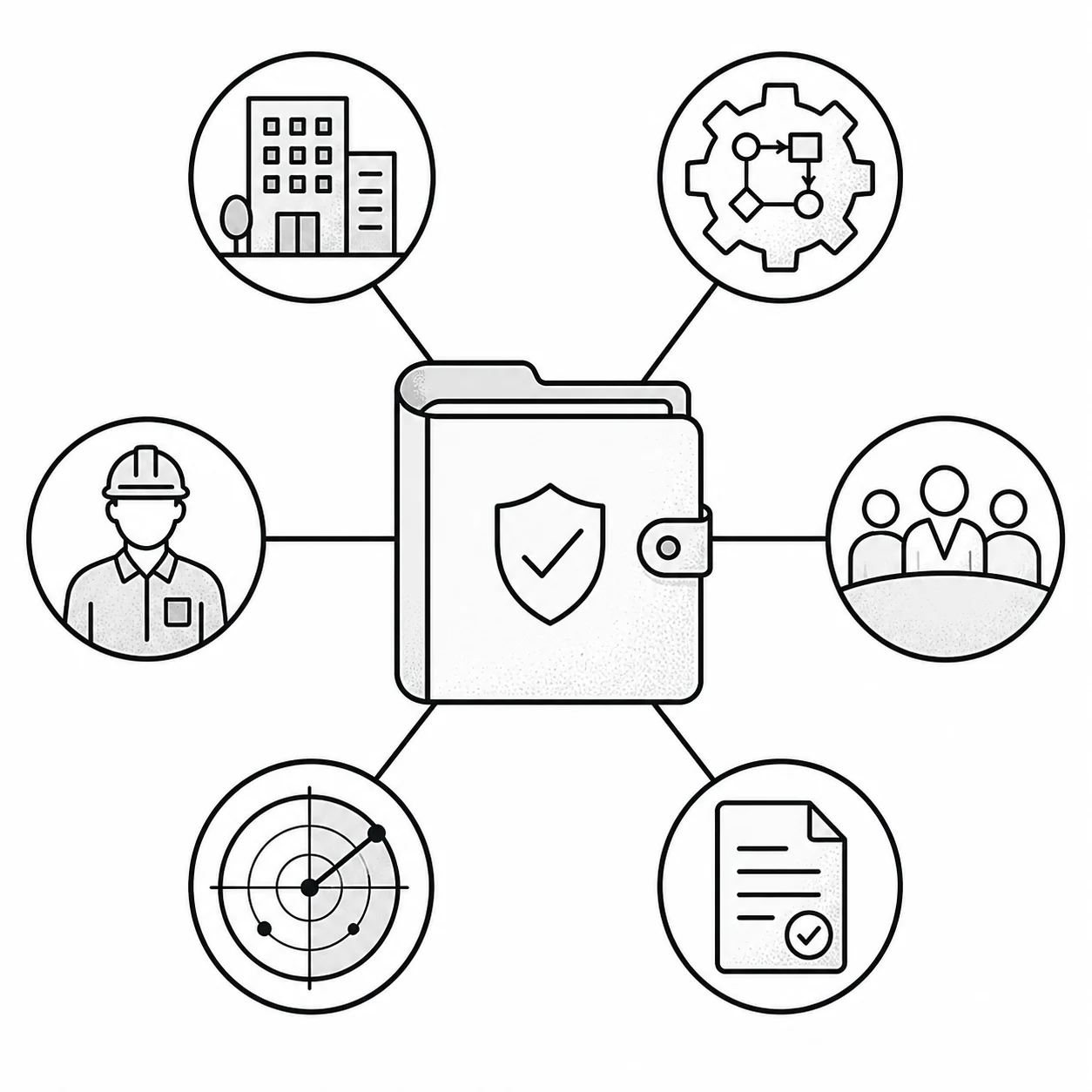
  • Operational signals move through a dossier machine and emerge as actionable records.

    Building GTM agents at Wingspan

    141K+
    company research jobs
    with evidence kept beside the score
    95% less
    first-round research time
    for SDRs
    64K+
    account and news monitors
    keeping target records current

    Wingspan's GTM research system has completed more than 141,000 company research jobs and cut the first round of SDR account research by about 95%. Alongside it, the broader system completed more than 24,000 contact classifications, 25,000 company news events, and 64,000 account and news monitors without adding headcount. The first workflow researched public evidence of contractor use, extracted stable fields, scored the account, and synced the result to Salesforce.

    We then built a shared account dossier so research, CRM state, activity, stakeholders, and source health could serve every sales agent from one context layer. Evidence stays beside each score so reps can inspect the source, disagree with a classification, and correct it. That shared context now supports account research, call preparation, Salesforce review, buying-committee mapping, outreach review, and daily monitoring without asking each workflow to rebuild the account from scratch.

    Read the full article